






The Role of Precious Metals in Retirement Planning
Retirement planning often involves building a portfolio that can support long-term financial needs while managing uncertainty across different market conditions. Traditional retirement investments may include shares, bonds, mutual funds, and cash-based assets. Precious metals, including silver, can provide another form of exposure because their prices are influenced by factors that differ from those affecting many conventional financial instruments. However, their inclusion requires an understanding of market volatility, ownership arrangements, and the costs associated with holding physical assets.
Research is an important part of evaluating this option, particularly when examining businesses that facilitate precious metals retirement accounts. Investors researching silver ira companies may compare how these businesses explain account arrangements, coordinate with custodians, disclose fees, and handle approved bullion transactions. The purpose of this assessment is to understand the services and responsibilities involved rather than assume that one provider is suitable for every retirement plan.
How a Silver Individual Retirement Account Works
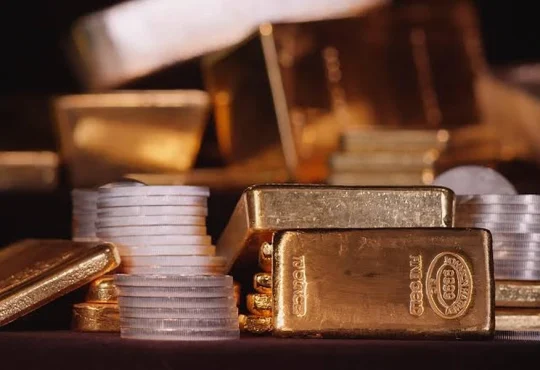
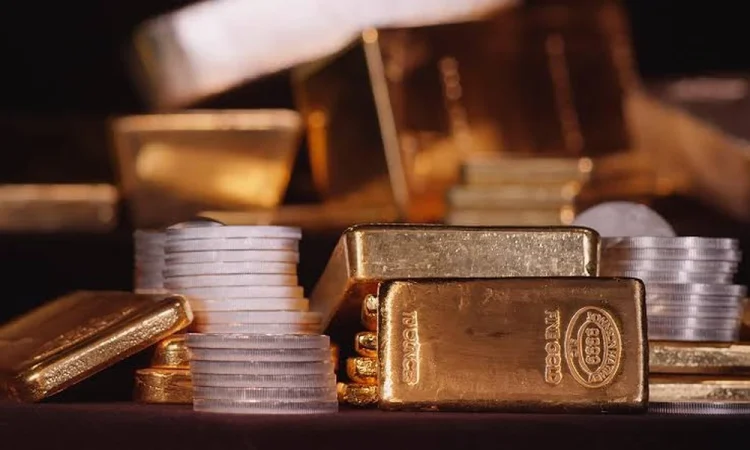
A silver Individual Retirement Account is a type of self-directed IRA that allows eligible retirement funds to be invested in approved physical silver. Unlike a conventional IRA that may hold securities, this arrangement involves purchasing qualifying precious metals through an account structure administered by an authorised custodian.
The account holder generally cannot take personal possession of the IRA-owned silver while it remains within the retirement account. Instead, the metal must be held by an approved depository in accordance with applicable requirements. Contributions, transfers, rollovers, distributions, and tax treatment depend on the type of IRA and the relevant regulations.
Understanding Eligible Silver Products and Purity Standards
Not every silver product qualifies for inclusion in a precious metals IRA. Applicable rules establish specific purity standards and eligibility conditions for bullion products. Certain approved coins and bars may qualify, while collectible coins and products that do not meet the required specifications may be excluded.
Investors should verify product eligibility before arranging a purchase. The metal’s purity, recognised refiner or mint, documentation, and acceptance by the custodian are important details to establish. Eligibility should not be assumed simply because a product is marketed as investment-grade silver.
Custodians, Storage Facilities, and Account Requirements
A custodian administers the retirement account, maintains records, processes transactions, and helps ensure that account activities follow relevant requirements. The physical silver is held separately at an approved storage facility. Depositories may offer segregated or non-segregated storage arrangements, which can affect how assets are recorded and stored.
Account holders should understand storage procedures, insurance arrangements, reporting responsibilities, and distribution rules before committing retirement funds.
Comparing Fees and Services When Researching IRA Providers
Costs can include account setup charges, annual administration fees, storage expenses, transaction costs, and dealer markups. These may vary between providers and account structures. Reviewing the complete fee schedule is important because multiple charges can affect the overall value of a retirement investment over time.
It is also useful to examine business registration, service agreements, communication practices, and the clarity of transaction documentation. Claims about returns or guaranteed protection deserve scrutiny.
Risks and Considerations Before Allocating Retirement Savings
Silver prices can fluctuate considerably, and physical bullion does not generate interest or dividends. Selling may involve dealer spreads, processing time, and market conditions. Tax consequences may also arise when distributions are taken, depending on the account type and individual circumstances.
A silver IRA should therefore be assessed alongside other retirement assets, financial goals, time horizons, and tolerance for loss. Understanding the rules, expenses, and risks before allocating savings supports more informed long-term retirement planning.