





Unlock Your Career in Sustainability: The Ultimate Guide to Greenhouse Gas Accounting Courses

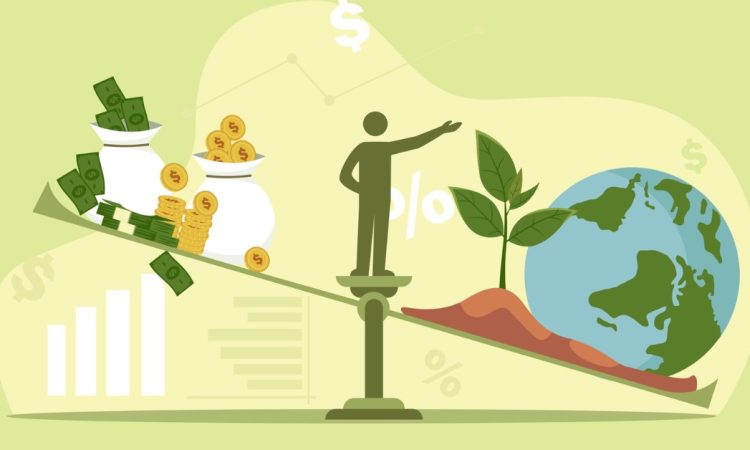
In an era where climate change dominates global conversations, businesses, governments, and individuals are increasingly focused on reducing their environmental impact. At the heart of this effort lies greenhouse gas (GHG) accounting—a critical practice for measuring, reporting, and managing emissions that contribute to global warming. If you’re passionate about sustainability or looking to pivot into a green career, enrolling in a greenhouse gas accounting course could be your gateway to making a real difference.
Greenhouse gas accounting Course, often referred to as carbon accounting, involves quantifying the amount of GHGs like carbon dioxide, methane, and nitrous oxide produced by organizations or activities. This data helps companies comply with regulations, improve efficiency, and demonstrate their commitment to net-zero goals. With regulations like the EU’s Carbon Border Adjustment Mechanism and the U.S. SEC’s climate disclosure rules tightening, demand for skilled GHG accountants is skyrocketing.
But why take a dedicated course? These programs equip you with the tools to navigate complex standards, calculate carbon footprints accurately, and advise on emission reduction strategies. Whether you’re a corporate professional, environmental consultant, or student, a GHG accounting course can enhance your resume and open doors to high-impact roles. In this comprehensive guide, we’ll explore what GHG accounting entails, the benefits of certification, top courses available, and how it can propel your career forward. By the end, you’ll have a clear roadmap to mastering this essential skill in the fight against climate change.
What is Greenhouse Gas Accounting?
Greenhouse gas accounting is the systematic process of measuring and tracking emissions of GHGs from various sources within an organization or across its supply chain. It’s akin to financial accounting but for environmental impact, providing a framework to quantify how much an entity contributes to climate change. This practice originated in the late 1990s and has evolved into a cornerstone of corporate sustainability reporting.
At its core, GHG accounting categorizes emissions into three scopes: Scope 1 covers direct emissions from owned sources like company vehicles or on-site fuel combustion; Scope 2 includes indirect emissions from purchased energy, such as electricity; and Scope 3 encompasses all other indirect emissions, like those from suppliers, employee commuting, or product use. Accurate accounting helps identify hotspots where reductions can be made, such as switching to renewable energy or optimizing logistics.
Why does it matter? GHGs trap heat in the atmosphere, leading to rising temperatures, extreme weather, and biodiversity loss. By accounting for these gases, organizations can set science-based targets aligned with global agreements like the Paris Accord. For businesses, it’s not just about ethics—it’s about risk management. Investors increasingly scrutinize emissions data, and poor accounting can lead to reputational damage or financial penalties.
In essence, GHG accounting turns abstract environmental concerns into actionable data, empowering decisions that foster sustainability. As more countries mandate reporting, understanding this process is becoming indispensable for professionals across industries.
Why Enroll in a Greenhouse Gas Accounting Course?
With climate action at the forefront of corporate agendas, a greenhouse gas accounting course offers invaluable skills for navigating this landscape. These courses demystify the complexities of emission calculations, ensuring you can apply standards like the GHG Protocol effectively.
One key reason to enroll is regulatory compliance. Governments worldwide are enforcing stricter emission reporting rules, and certified professionals are in high demand to help organizations meet these requirements without errors. For instance, courses teach how to handle Scope 3 emissions, which often account for the majority of a company’s footprint but are the hardest to track.
Beyond compliance, these programs enhance career prospects. In a job market where sustainability roles are growing by 8% annually, GHG accounting expertise sets you apart. It appeals to sectors like manufacturing, energy, finance, and consulting, where reducing carbon footprints translates to cost savings and innovation.
Personal development is another draw. If you’re transitioning from a non-environmental background, self-paced online courses allow flexible learning, building confidence in data analysis and reporting. Plus, many include practical exercises, like using software tools for emission inventories, preparing you for real-world applications.
Ultimately, enrolling isn’t just about gaining knowledge—it’s about contributing to global sustainability efforts. As climate urgency mounts, trained GHG accountants play a pivotal role in driving meaningful change.
Key Topics Covered in GHG Accounting Courses
A robust greenhouse gas accounting course dives deep into essential concepts, blending theory with practical skills. Most programs start with the fundamentals: understanding the science behind GHGs, their sources, and global warming potential (GWP) metrics.
Core modules often include the GHG Protocol standards, the gold standard for corporate accounting. You’ll learn to differentiate scopes, calculate direct and indirect emissions, and use tools like emission factors and life-cycle assessments. For example, courses might cover how to account for fugitive emissions from refrigeration or embedded carbon in purchased goods.
Advanced topics explore reporting and verification, teaching how to prepare inventories compliant with ISO 14064 or the Carbon Disclosure Project (CDP). Risk assessment is key, including scenario analysis for climate-related financial disclosures under frameworks like TCFD.
Many courses incorporate case studies from industries like IT, agriculture, or finance, showing how to tailor accounting to specific sectors. You’ll also delve into mitigation strategies, such as carbon offsetting, renewable energy procurement, and supply chain engagement.
Hands-on elements are crucial: expect exercises in data collection, using spreadsheets or specialized software like SimaPro for modeling. Some programs address emerging trends, like AI in emissions tracking or blockchain for transparent reporting.
By course end, you’ll be equipped to conduct audits, advise on reduction plans, and communicate findings to stakeholders, making you a versatile sustainability expert.
Top Greenhouse Gas Accounting Courses and Programs
The market offers diverse greenhouse gas accounting courses, from free introductions to advanced certifications. Here’s a curated list of standout options.
The GHG Management Institute provides a range of online courses, including foundational GHG accounting and specialized MRV (measurement, reporting, verification) systems. Self-paced and expert-authored, they’re ideal for beginners to pros, with diplomas available.
GHG Protocol’s e-learning platform offers free modules on corporate standards, perfect for policymakers and analysts. Their courses emphasize practical application in national or local contexts.
Harvard Extension School’s Greenhouse Gas Emissions Accounting Microcertificate focuses on technical skills for calculating and mitigating emissions, responding to global regulations. It’s a short, intensive program with real-world projects.
Northern Arizona University’s Certificate in GHG Accounting comprises four online courses, taking 4-8 months, covering quantification and analysis. Priced at around $1,996, it’s comprehensive for career-builders.
The World Bank’s GHG Accounting 101 is a self-paced e-course based on their analysis reports, suited for development professionals.
Arizona State University’s Foundations of GHG Accounting for Organizations is a quick 4-hour online badge program for $99, great for entry-level learners.
Corporate Finance Institute’s course provides an overview of GHG science and protocols, emphasizing investor perspectives.
For specialized tracks, Cisco Networking Academy’s Introduction to GHG Accounting for IT targets tech pros.
When choosing, consider your goals—free options for basics, paid for certifications. Reviews highlight the GHG Management Institute for depth and flexibility.
Benefits of GHG Accounting Certification
Earning a certification in greenhouse gas accounting yields numerous advantages, both professional and organizational. It validates your expertise, boosting employability in a field where credentials matter.
For businesses, certified professionals ensure accurate reporting, reducing compliance risks and enhancing reputation among eco-conscious consumers. It also uncovers cost-saving opportunities, like energy efficiencies that cut operational expenses.
On a personal level, certification fosters career growth, with roles in sustainability consulting or ESG analysis offering competitive salaries. It aligns with global trends, positioning you as a leader in climate action.
Moreover, it contributes to broader impacts: better accounting drives emission reductions, supporting planetary health. In short, it’s a win for your resume, wallet, and the world.
Career Opportunities in Greenhouse Gas Accounting
The field of GHG accounting is ripe with opportunities, as companies seek experts to manage their climate footprints. Roles like Carbon Accountant involve measuring emissions and advising on reductions, with salaries ranging from $78,000 to $165,000.
Sustainability Analysts focus on GHG data for strategic decisions, often in consulting firms or corporations. Entry-level positions, such as GHG Associates, are accessible post-certification, with over 200 openings noted recently.
Specialized jobs include GHG Verification Auditors or Climate Risk Managers in finance. Organizations like the GHG Management Institute and GHG Protocol offer in-house roles for program development.
With the green jobs market expanding, certifications open doors to international opportunities in policy, NGOs, or tech-driven carbon tracking. It’s a dynamic career path blending science, data, and impact.
Conclusion: Start Your GHG Accounting Journey Today
Greenhouse gas accounting courses are more than educational—they’re a catalyst for change in a warming world. By mastering this skill, you position yourself at the intersection of business and environmental stewardship. Whether opting for a free GHG Protocol module or a comprehensive certification, the investment pays dividends in knowledge, career advancement, and planetary contribution. Dive in, and become part of the solution to climate challenges.


What Role Can Flexi Cap Funds Play in a Long-Term Investment Portfolio?

A long-term investment portfolio may require a balance between diversification, growth potential and the ability to adjust to changing market...

How Acadia Healthcare’s Joint Ventures Are Closing the Behavioral Health Access Gap

Psychiatric beds are scarce in much of the United States. Emergency rooms regularly board patients with mental health crises for...

Comparing Fixed Savings With Market Investments


Some people want their money to grow quietly and predictably. Others are fine with some ups and downs if it...

8 Factors Property Investors Should Consider Before Unlocking Portfolio Equity
Property equity can give investors access to additional funds without selling assets from their portfolio. That capital may support a...